


A Campaign Breakdown, Done the Quietly Luxurious Way
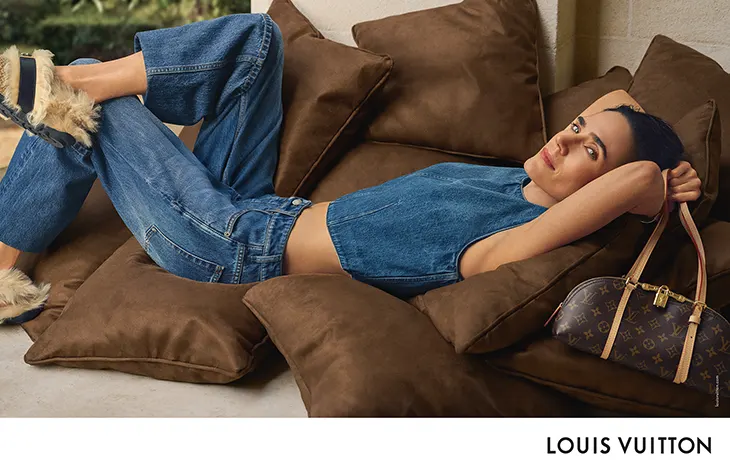
Luxury doesn’t always need a spotlight. Sometimes it needs a room with good light, a sense of calm, and a woman who understands restraint as a form of power. That’s the thesis behind Louis Vuitton’s Spring–Summer 2026 women’s campaign—fronted by Jennifer Connelly, photographed by Cass Bird, and shaped by the long-view sensibility of Nicolas Ghesquière.
This isn’t a campaign chasing virality. It’s not trying to break the internet. Instead, it invites you inside—literally and figuratively—and makes the case that the most modern form of glamour right now is private, intentional, and deeply personal.
The Concept: Dressing for Yourself, Not the Room

Spring–Summer 2026 builds on a deceptively simple idea: the home as a legitimate stage for style. Not “at-home” as in lazy, but “at-home” as in considered. The clothes are designed for the moments when no one is watching—yet they are beautiful enough that it wouldn’t matter if they were.
That philosophy carries directly from the runway into the campaign imagery. The setting is intimate and lived-in. The pacing is slow. The mood is reflective. Jennifer Connelly isn’t performing for the camera; she’s inhabiting the space. Reading. Pausing. Existing. It’s luxury without urgency—and that’s exactly the point.
Why Jennifer Connelly Is the Perfect Anchor

Connelly has long been one of Louis Vuitton’s most effective ambassadors precisely because she doesn’t oversell anything. Her elegance is cerebral. Her presence is assured, not assertive. In a campaign about interior life, she brings credibility—someone who feels believable in silence.
There’s also a deeper alignment at play. Connelly’s public image has always resisted excess. She represents continuity, intelligence, and confidence earned over time. In a moment when fashion is often obsessed with novelty, Louis Vuitton is signaling something else entirely: longevity is the new edge.
Cass Bird’s Lens: Softness With Intent

Cass Bird’s photography is critical to the success of this campaign. Her images don’t flatten the clothes into product shots; they humanize them. The framing feels editorial rather than promotional, as if you’ve stepped into a private morning rather than an ad.
The lighting is natural. The compositions are relaxed. There’s a sense of movement—even in stillness—that makes the garments feel lived-in rather than styled within an inch of their lives. It’s a quiet kind of confidence that mirrors the collection itself.
The Clothes: Elevated Ease, Refined Intimacy
This is not loungewear pretending to be fashion. It’s fashion that understands comfort as a luxury category.
Silhouettes move fluidly: soft tailoring, silk slips, plush knits, lingerie-inspired layers that skim rather than cling. Whites, pale blush tones, and gentle neutrals dominate, creating a palette that feels calming without being passive. There’s structure where it matters and release where it counts.
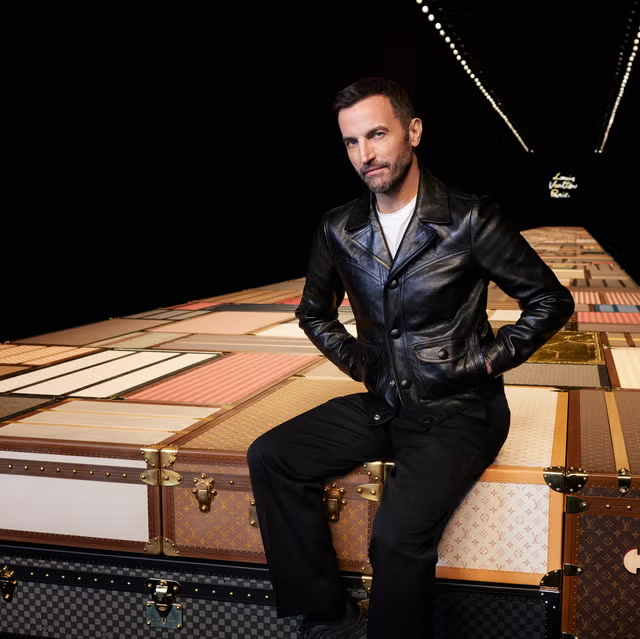
Ghesquière has always excelled at tension—history versus modernity, armor versus softness—and Spring–Summer 2026 continues that tradition in a quieter register. These are clothes designed to be worn for oneself first, and admired second.
Accessories: Where the Campaign Gets Strategic
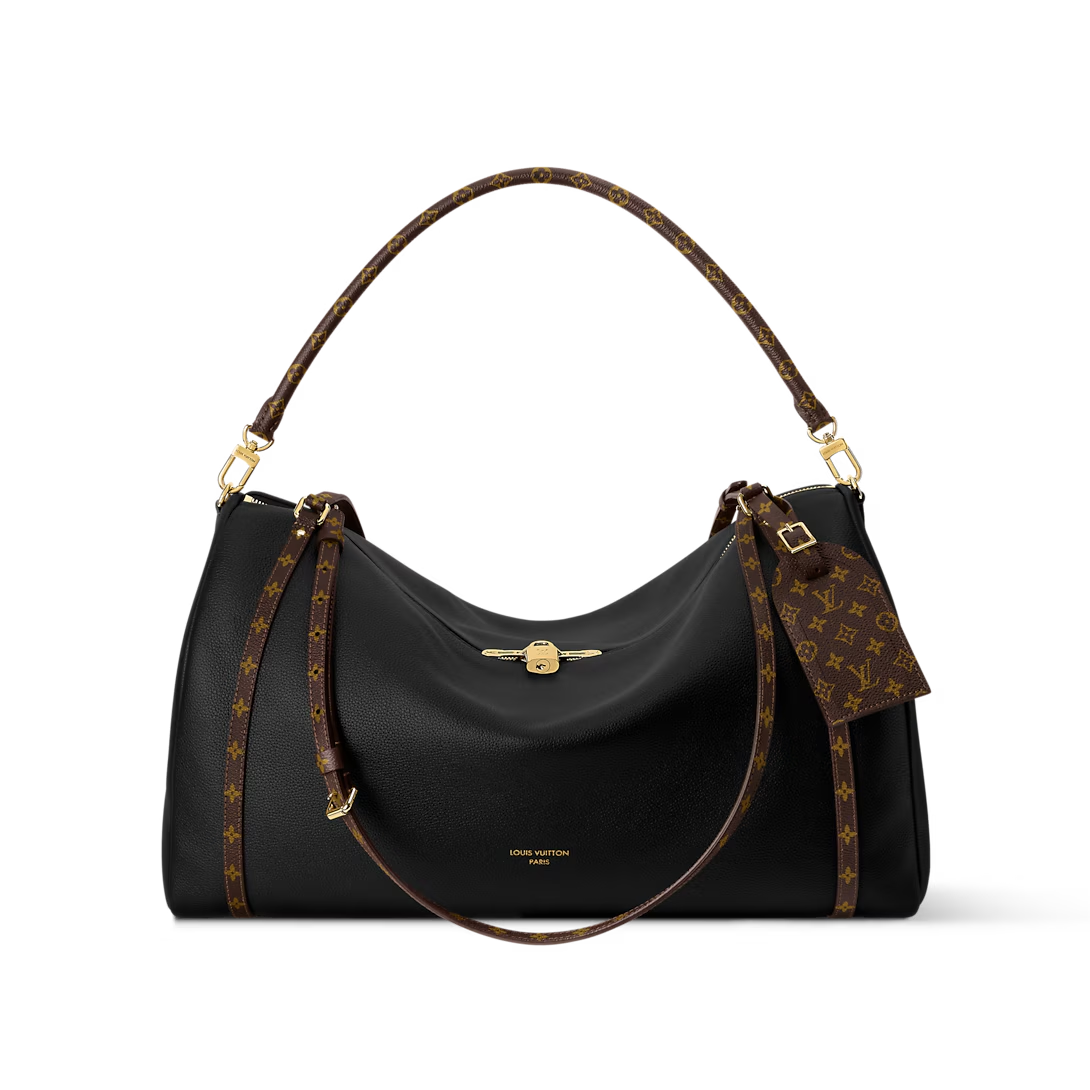


As always with Louis Vuitton, accessories are doing heavy narrative lifting—and Spring–Summer 2026 introduces pieces meant to live seamlessly between private and public life.
The Express bag emerges as a key player: supple, relaxed, and designed to move with the body rather than dominate it. It feels personal, almost intimate, like a bag chosen for daily rituals rather than occasions.
The Sneakerina—a hybrid of ballet flat and trainer—perfectly encapsulates the season’s ethos. Comfort without compromise. Grace with utility. It’s footwear for women who value ease but refuse to dress down.
Jewelry leans subtle and architectural, often referencing Louis Vuitton’s Damier codes in a way that feels collectible rather than logo-forward. Nothing here shouts. Everything whispers.
From the Louvre to the Living Room

The Spring–Summer 2026 runway show was staged in the historic apartments of the Louvre, a location that underscored the idea of private space within public grandeur. That architectural dialogue—between intimacy and monumentality—echoes throughout the campaign.
But rather than recreating that setting literally, the campaign translates its emotional logic. Clothing becomes a form of interior design. Fabric drapes like curtains. Volume suggests upholstery. Dressing becomes an extension of how one curates a space.
The Real Luxury Message

What makes this campaign resonate isn’t just its aesthetic polish—it’s the permission it offers. Permission to slow down. To dress beautifully without an audience. To treat private moments with the same respect traditionally reserved for public ones.
In an era dominated by spectacle and performance, Louis Vuitton is making a quietly radical statement: confidence doesn’t need witnesses. Style doesn’t require validation. Luxury, at its most modern, is self-directed.
Jennifer Connelly embodies that philosophy effortlessly. She doesn’t sell the clothes by selling herself. She lets the garments exist in their natural state—worn, lived in, and quietly powerful.
Final Take
The Spring–Summer 2026 Louis Vuitton campaign isn’t about chasing trends or commanding attention. It’s about cultivating taste. It’s about understanding that true luxury often lives in the moments no one else sees—and choosing to dress beautifully anyway.
Boujee? Absolutely. But in the most refined, intentional way possible.



Leave a Reply